
J.P. Morgan: The Financial Engine Behind Global Commerce
While most people associate J.P. Morgan with Wall Street, its role extends far beyond investment banking. It facilitates international payments, finances global trade, supports multinational corporations, and provides essential liquidity to keep the global economy moving.
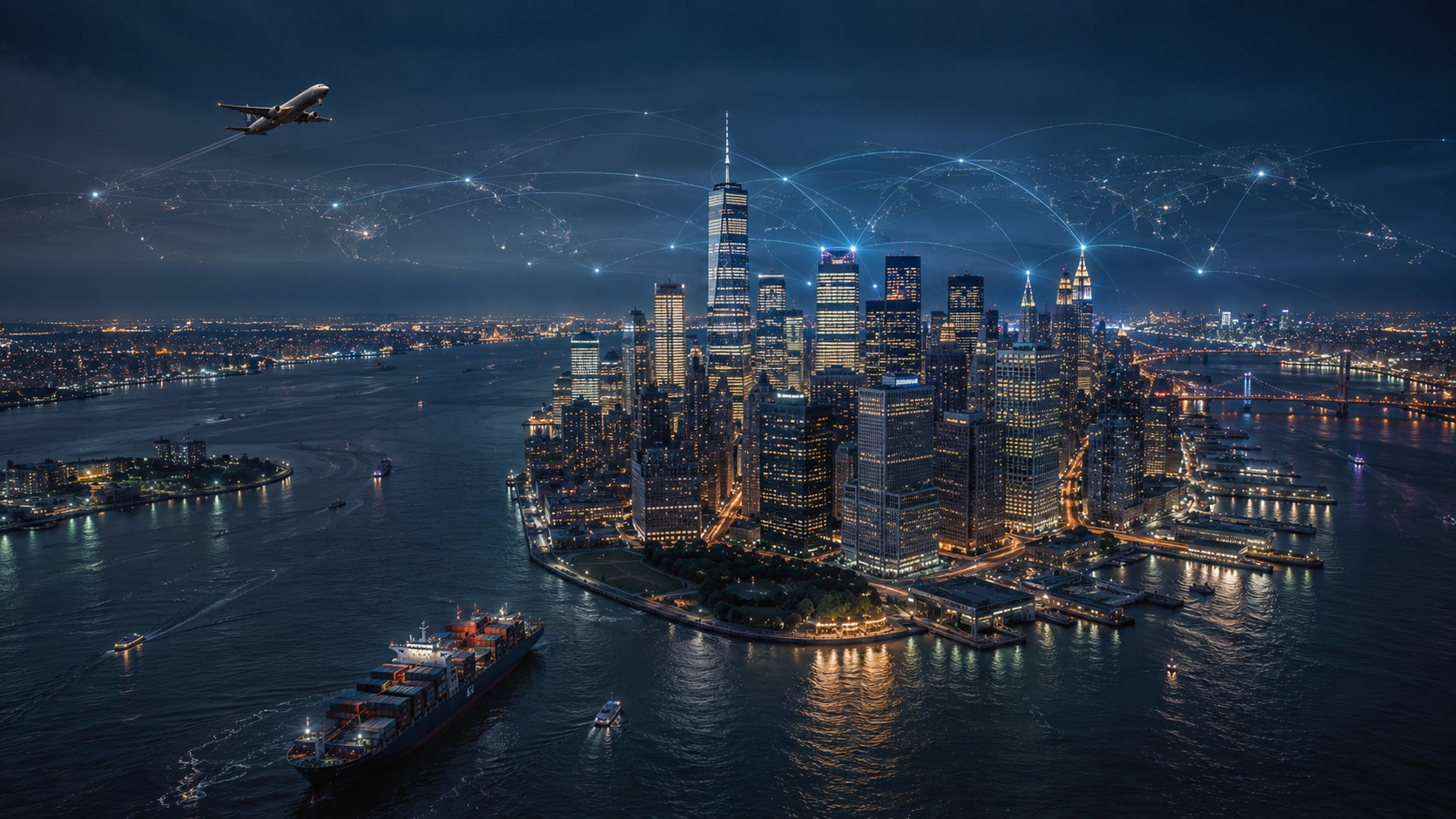
J.P. Morgan: The Financial Engine Behind Global Commerce
Every day, trillions of dollars move across the global economy. Companies pay suppliers overseas, governments issue bonds, commodities are traded across continents, and businesses raise capital to expand. Behind many of these financial activities stands one of the world's largest banking institutions—J.P. Morgan.
While most people associate the bank with Wall Street, its role extends far beyond investment banking. It helps facilitate international payments, finances global trade, supports multinational corporations, and provides liquidity to financial markets. In many ways, it forms part of the financial infrastructure that keeps the global economy moving.
More Than Just a Bank
Global trade depends on more than ships, ports, and factories. It also depends on finance.
Businesses importing raw materials often require trade finance before goods even leave a port. Companies expanding into new markets need access to capital. Governments and corporations raise funds through global financial markets to finance infrastructure and long-term investment.
Banks like J.P. Morgan help connect these financial flows, making international commerce more efficient.
Powering Global Markets
From foreign exchange and bond markets to cross-border payments and commodity financing, modern financial systems rely on institutions capable of operating across multiple countries and currencies.
As global trade expands and supply chains become increasingly interconnected, the demand for secure, reliable financial infrastructure continues to grow.
While physical infrastructure moves goods around the world, financial infrastructure moves the capital that makes those transactions possible.
The GeoFinance Perspective
Modern economies are connected by more than roads, ports, and undersea cables. They are also connected by financial networks that allow businesses, investors, and governments to move capital across borders.
J.P. Morgan represents a broader reality: global commerce depends not only on physical trade routes but also on the institutions that finance and facilitate them.
Understanding those financial systems is just as important as understanding the goods they help move.