[watching] • 21 Jul
J.P. Morgan: The Financial Engine Behind Global Commerce
While most people associate J.P. Morgan with Wall Street, its role extends far beyond investment banking. It facilitates international payments, finances global trade, supports multinational corporations, and provides essential liquidity to keep the global economy moving.
[watching] • 20 Jul
Why Australia's Uranium Matters to India's Growth
When India and Australia finalized arrangements for the export of Australian uranium, the announcement appeared to be another bilateral trade agreement.
In reality, it represents something much bigger.
[watching] • 17 Jul
The UAE's Quiet Expansion Across Africa: Infrastructure as Influence
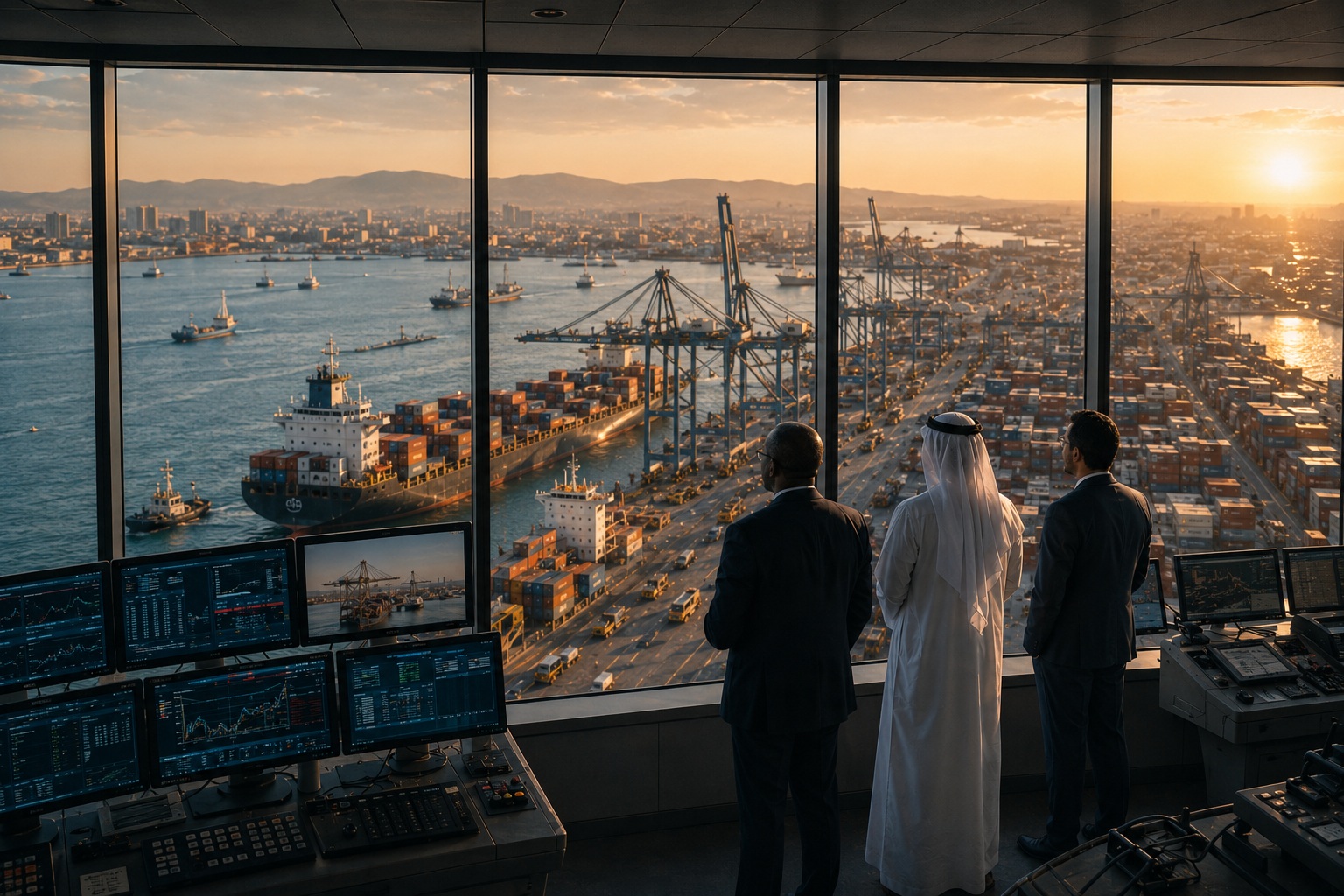
For decades, the United Arab Emirates built its global reputation as an energy powerhouse. Today, it is pursuing a different strategy—expanding its influence through long-term investments in infrastructure, logistics, renewable energy, mining, and financial services across Africa.
[watching] • 12 Jul
The Water Behind Artificial Intelligence: Why Data Centers Are Becoming a Resource Story
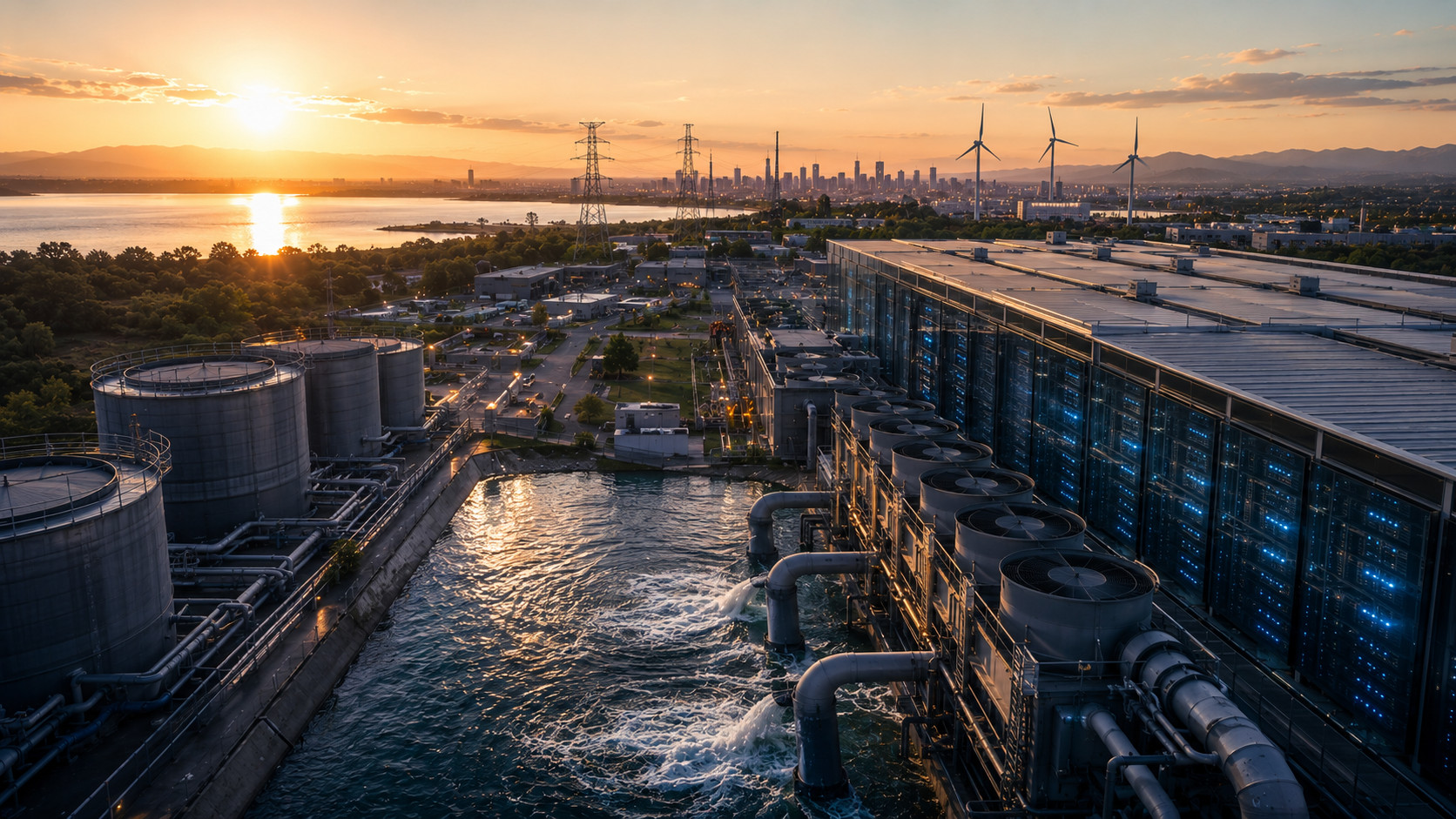
AI is typically discussed through software and semiconductors, but every major system depends on cooling. As companies race to build larger data centers, water availability is rapidly becoming a strategic, geographical, and economic constraint.
[watching] • 3 Jul
The Deep-Sea Scramble: Geopolitics and Critical Minerals on the Ocean Floor
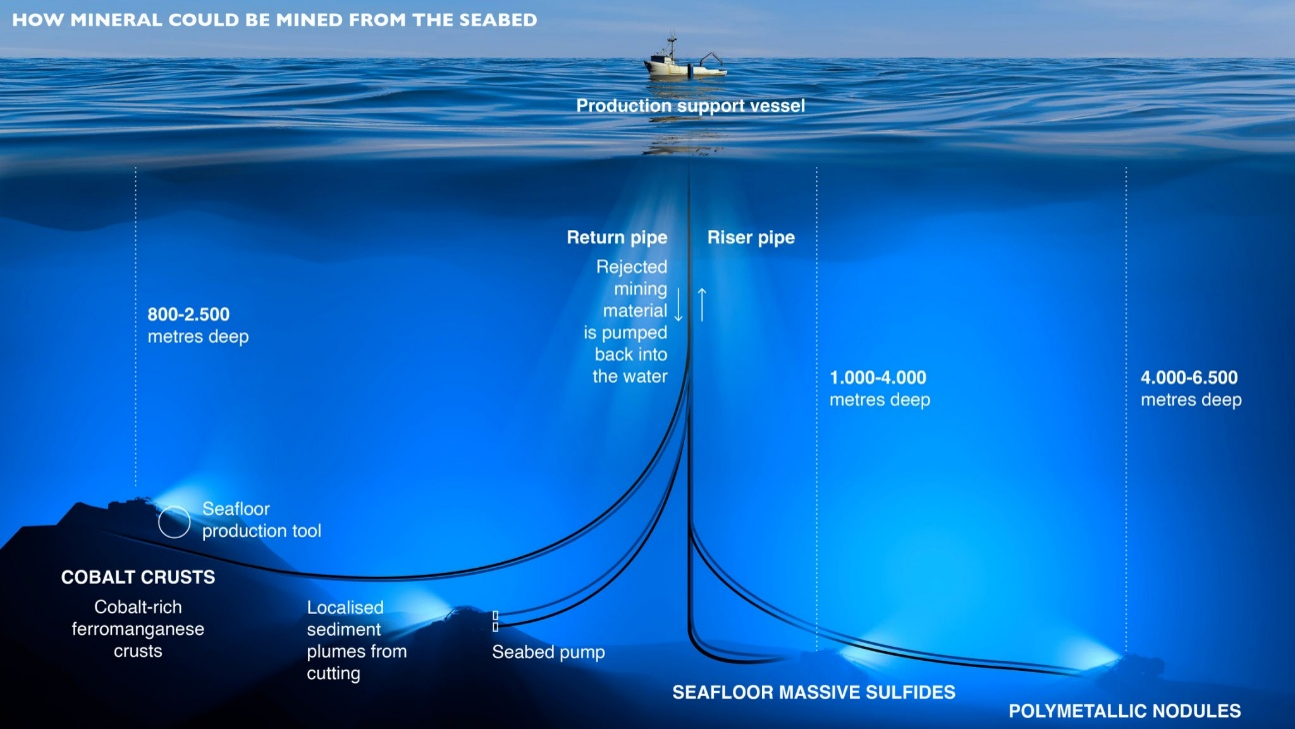
When we visualize resource extraction, we typically picture scarred landscapes, open-pit mines, and massive earth-movers operating on solid ground. However, as the terrestrial race for strategic resources intensifies, the frontline of global extraction is shifting thousands of meters below the surface to the abyssal plains of our oceans.
[watching] • 27 Jun
The Roads of the AI Economy: Why Amazon Is Investing in Fiber
When people think about artificial intelligence, they usually picture advanced algorithms, powerful chips, and cutting-edge software.
Few think about fiber-optic cables.
Yet as AI adoption accelerates, companies are discovering that intelligence alone is not enough. Behind every AI model lies a vast physical network responsible for moving enormous volumes of data across the world.
[watching] • 24 Jun
The World's Most Overlooked Resource: Sand
When analyzing the foundational drivers of the global economy, commodities like crude oil, lithium, and rare earth elements typically dominate strategic conversations. Sand is rarely considered. Yet, this ordinary material forms the structural bedrock of modern civilization.
[watching] • 20 Jun
China's Mega Dam: Why Water Is Becoming A Strategic Asset
Throughout macroeconomic history, the battle for geopolitical dominance has always been tied to the primary resources that drive industrial growth. The Industrial Revolution was forged on coal; the twentieth century was completely reshaped by crude oil. In the contemporary global economy, a new structural foundation has taken center stage: the possession of highly scalable, uninterrupted, and clean energy networks.
[watching] • 19 Jun
The 2026 G7 Summit: A Meeting About More Than Diplomacy
Beneath the headlines of the 2026 G7 Summit in Évian, a deeper theme emerged: global economic power is increasingly tied to critical minerals, AI infrastructure, and the aggressive fortification of resilient supply chains against coercion.
[watching] • 17 Jun
The Panama Canal's Water Challenge: Why Global Trade Depends on Rainfall
For more than a century, the Panama Canal has served as one of the most vital arteries of the global economy. By connecting the Atlantic and Pacific Oceans, the canal eliminates the need for ships to travel around South America's southern tip—slashing shipping times by weeks and lowering transportation costs.