
The UAE's Quiet Expansion Across Africa: Infrastructure as Influence
For decades, the United Arab Emirates built its global reputation as an energy powerhouse. Today, it is pursuing a different strategy—expanding its influence through long-term investments in infrastructure, logistics, renewable energy, mining, and financial services across Africa.
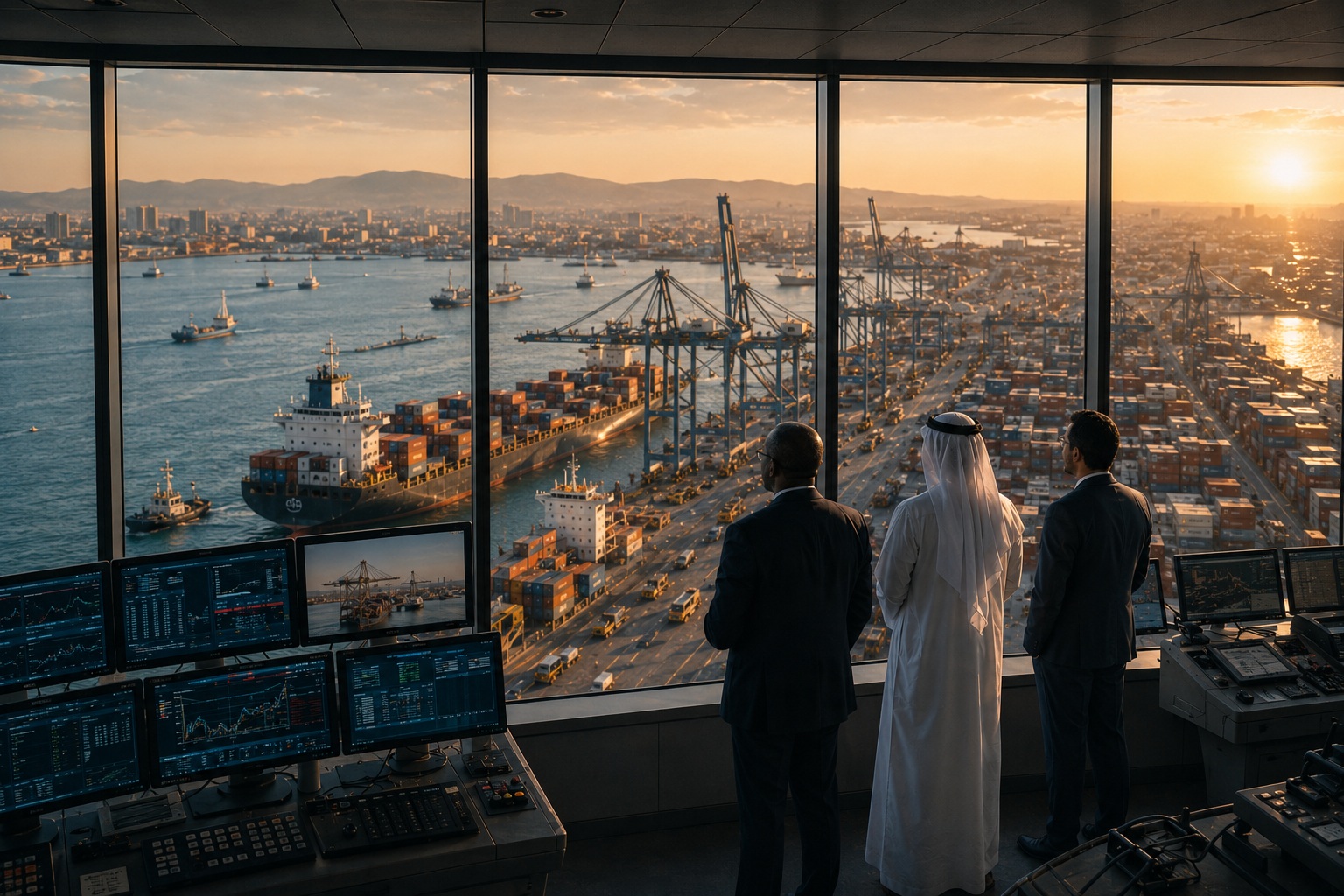
For decades, the United Arab Emirates built its global reputation as an energy powerhouse. Today, it is pursuing a different strategy—expanding its influence through long-term investments in infrastructure, logistics, renewable energy, mining, and financial services across Africa.
Unlike traditional diplomacy, this approach focuses on building the physical and economic networks that support trade and investment. From ports on the Red Sea to logistics hubs along the Atlantic coast, the UAE is steadily strengthening its presence in one of the world's fastest-growing regions.
The story is no longer just about exporting oil.
It is about exporting capital.
Why Africa Matters
Africa is becoming increasingly important to the global economy.
The continent is home to some of the world's fastest-growing populations, vast reserves of critical minerals, expanding consumer markets, and strategically located maritime trade routes connecting Europe, Asia, and the Middle East.
As demand for resources and trade continues to grow, Africa is emerging as a key destination for long-term infrastructure investment. For countries seeking to strengthen their economic footprint, the continent represents both opportunity and strategic importance.
Building the Foundations of Trade
Rather than focusing only on resource extraction, the UAE has invested heavily in assets that improve connectivity. These include:
- Modern ports and terminals
- Logistics and free-trade zones
- Renewable energy projects
- Industrial parks
- Transport infrastructure
These investments make it easier for goods, capital, and businesses to move across borders while strengthening regional supply chains. Infrastructure, in this sense, becomes more than a development tool—it becomes a source of long-term economic influence.
From Investment to Influence
Infrastructure projects rarely generate immediate geopolitical headlines.
However, over time they create deeper commercial relationships, increase trade flows, and position investors at the center of regional economic activity.
By financing ports, logistics corridors, and energy projects, the UAE is helping shape the infrastructure through which future trade will move. This approach reflects a broader shift in international competition, where influence is increasingly built through investment and connectivity rather than military presence alone.
The GeoFinance Perspective
Economic influence is no longer determined only by the resources a country owns.
It is increasingly shaped by the infrastructure it finances, the trade networks it develops, and the partnerships it builds. The UAE's expanding investments across Africa demonstrate how capital can become a strategic tool of foreign policy, strengthening both commercial opportunities and long-term geopolitical influence.
As global trade routes continue to evolve, countries investing in the infrastructure behind them may shape the next chapter of the world economy.