Part 2) Russia–Ukraine War: The Energy Shock Nobody Predicted , The Aftermath of Russian Sanctions
Part 1 outlined how deeply Russian gas was integrated into Europe’s economic system. Part 2 focuses on the aftermath: the financial shock, the structural adjustments, and the complex reality of sanctions.
The Sanctions Framework — and Its Limits
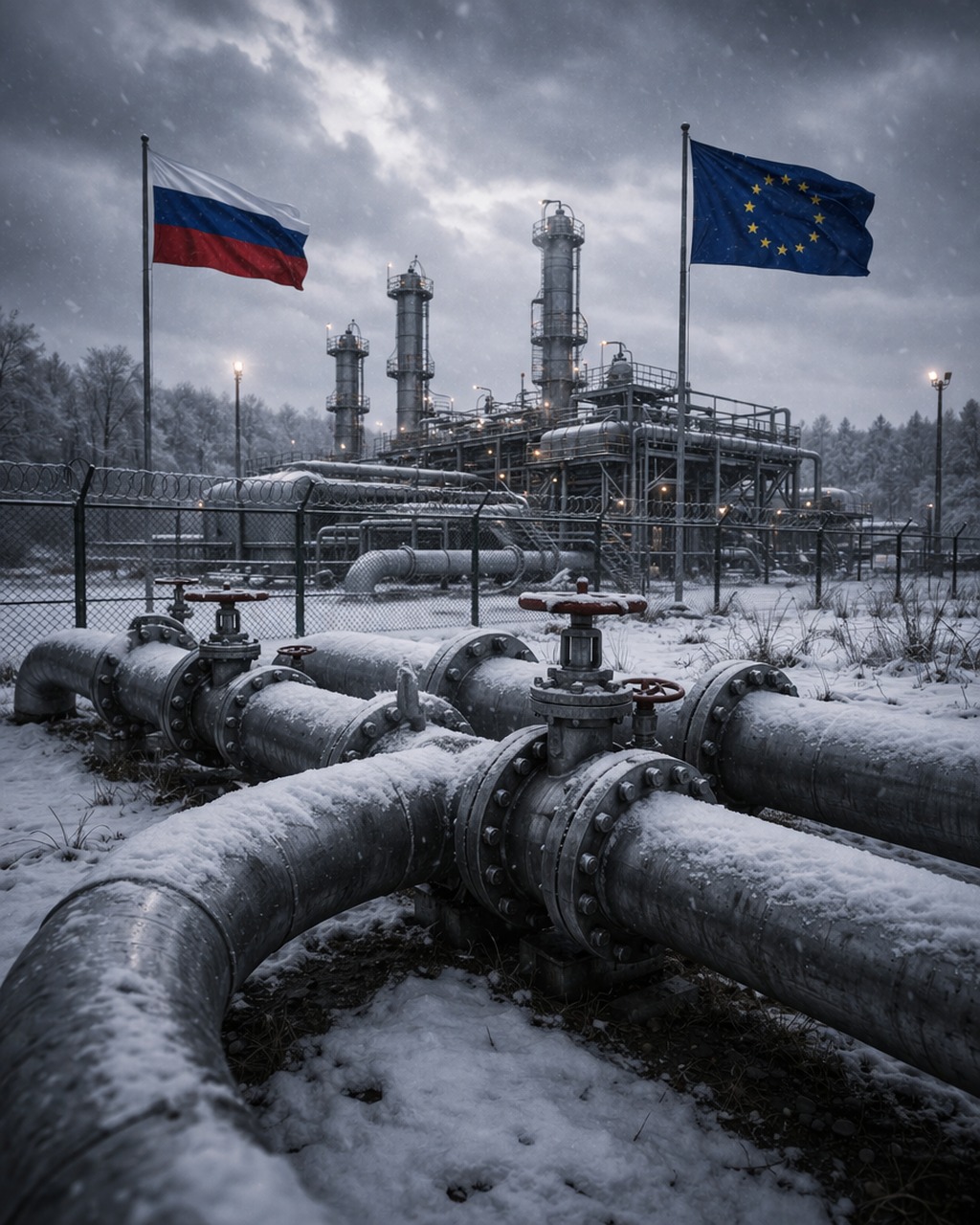
Following the February 2022 invasion, Western countries introduced an extensive sanctions package, including:
- Excluding major Russian banks from the SWIFT payment network.
- Freezing roughly $300 billion in central bank reserves held in G7 jurisdictions.
- Restricting access to advanced technology and capital markets.
A Fundamental Contradiction: While financial sanctions were swift, energy restrictions were cautious. Because Europe could not immediately replace Russian fuel, Russia continued to generate massive revenue. In 2022, Russia's oil and gas budget revenues actually grew by 28% as record-high prices per barrel/unit more than offset the initial decline in export volumes.
Market Reactions Across Europe
Financial markets reflected the mounting stress. The Euro Stoxx 50 index declined by more than 23% between January and October 2022, with energy-intensive sectors like German chemicals bearing the brunt of the shock.
In the currency markets, the euro weakened significantly against the US dollar, falling below parity in July 2022 for the first time in twenty years. This was driven by a deteriorating trade balance as Europe was forced to pay significantly more for energy imports, while the US solidified its position as a major energy exporter.
The LNG Pivot
Europe’s response was unprecedented. To break the reliance on Russian pipelines, nations accelerated the shift to Liquefied Natural Gas (LNG).
- Germany: Previously having zero LNG import terminals, Germany fast-tracked the deployment of multiple Floating Storage and Regasification Units (FSRUs) within months—a feat of engineering and bureaucracy that typically takes years.
- The United States: Became the primary beneficiary of this shift. By 2023, the US had become the world's largest LNG exporter, with shipments to Europe more than doubling compared to 2021 levels.
- Norway: Stepped in, maximizing its pipeline output to become Europe’s single largest gas supplier.
Long-Term Economic Effects
The crisis fundamentally altered Europe's industrial landscape. Competition weakened in heavy manufacturing as energy costs remained structurally higher than in the US or China. By 2024, production in many energy-heavy sectors remained below pre-crisis levels, signaling a "deindustrialization" risk that forced governments to pivot toward high-tech and green energy subsidies.
The Enduring Lesson
The crisis proved that economic interdependence does not always prevent conflict; sometimes, it provides the tools for it. Europe’s new energy strategy is no longer built on the lowest cost, but on resilience and diversification. The era of relying on a single dominant external supplier is over, replaced by a complex, globalized, and more expensive energy system.