
The Deep-Sea Scramble: Geopolitics and Critical Minerals on the Ocean Floor
When we visualize resource extraction, we typically picture scarred landscapes, open-pit mines, and massive earth-movers operating on solid ground. However, as the terrestrial race for strategic resources intensifies, the frontline of global extraction is shifting thousands of meters below the surface to the abyssal plains of our oceans.
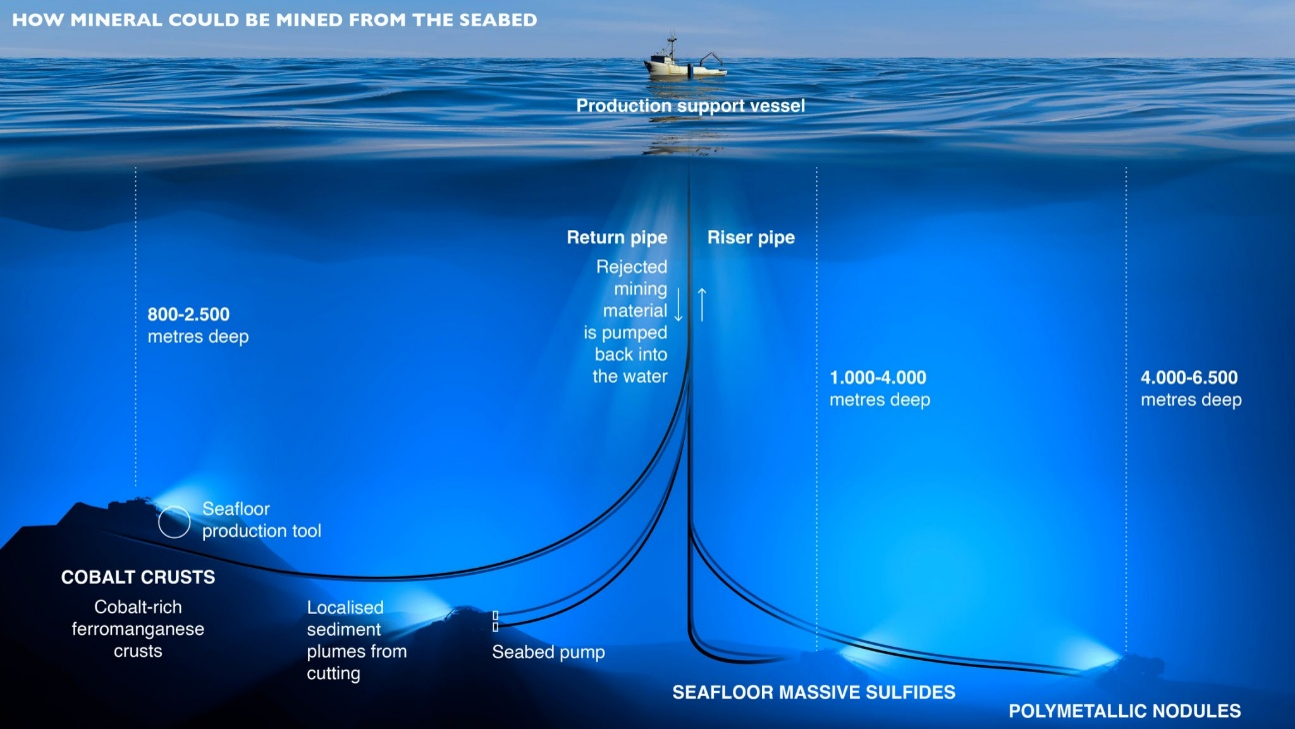
When we visualize resource extraction, we typically picture scarred landscapes, open-pit mines, and massive earth-movers operating on solid ground. However, as the terrestrial race for strategic resources intensifies, the frontline of global extraction is shifting thousands of meters below the surface to the abyssal plains of our oceans.
Lying dark and undisturbed on the seabed are vast fields of potato-sized rock formations known as polymetallic nodules. These deep-sea deposits are incredibly rich in nickel, cobalt, copper, and manganese—the core building blocks required for electric vehicles (EVs), renewable energy storage, advanced semiconductors, and defense infrastructure.
Strategic Imperative
The push toward global electrification and AI infrastructure has turned critical minerals into major geopolitical leverage points. Currently, supply chains for land-based processing and extraction are heavily centralized within a few dominant economies, notably China.
For nations looking to de-risk their supply chains, seabed minerals present an alternative source of raw materials. Proponents argue that harvesting these loose nodules requires zero drilling or blasting, potentially offering a lower carbon footprint than traditional land-based mining.
Regulatory Deadlock vs. Unilateral Realities
The race to secure these areas has triggered a profound fracture in international ocean governance, creating a split between multilateral diplomacy and unilateral resource security:
- The Multilateral Stall: The International Seabed Authority (ISA)—the UN-mandated body tasked with regulating international waters—remains locked in intense debates over its long-delayed "Mining Code." More than 30 nations, alongside hundreds of marine scientists, are fiercely advocating for a moratorium, citing data gaps regarding the destruction of fragile, unmapped benthic ecosystems.
- The Unilateral Pivot: Weary of international delays, nations are starting to move independently. The United States, which is not an ISA member, recently updated its domestic regulatory framework via NOAA to fast-track exploration and commercial permit processing. This parallel pipeline has allowed private players to stake claims over tens of thousands of square kilometers in the Pacific’s lucrative Clarion-Clipperton Zone, threatening to fragment global ocean governance.
The GeoFinance Takeaway
Resource control has always dictated the rise and fall of economic hegemony. Just as timber, coal, and oil defined the geopolitical maps of previous centuries, critical minerals will anchor the economic hierarchies of tomorrow.
The deep-sea mining debate is not merely an environmental or industrial dispute; it is a high-stakes race for supply chain sovereignty. The nations and blocs that successfully navigate the regulatory, technical, and environmental hurdles of the deep ocean will secure a profound structural advantage in the next phase of global economic growth.