
The Strait of Hormuz: Disruption Returns to the World’s Most Critical Energy Route
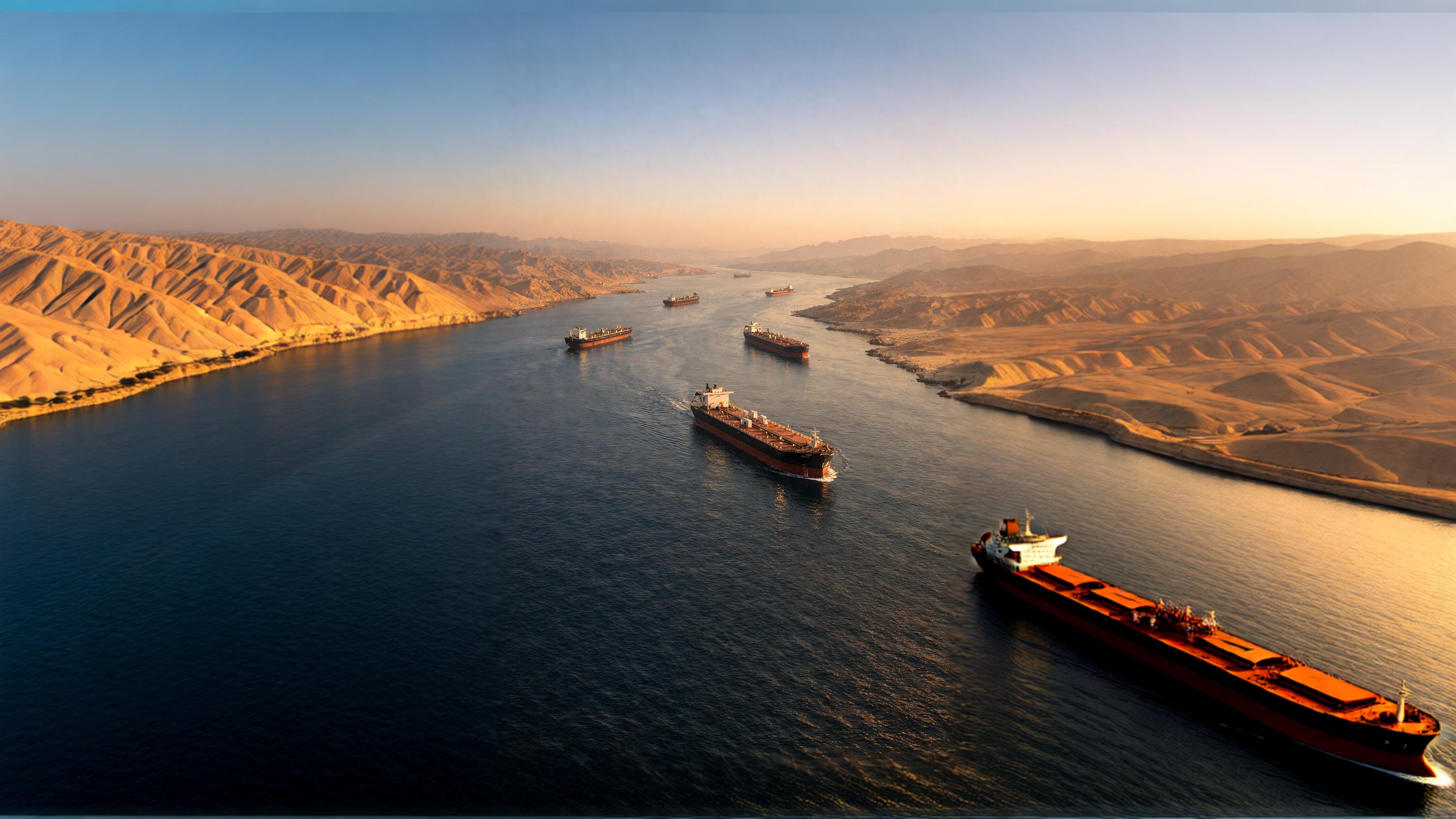
The Strait of Hormuz — the world’s most important energy chokepoint — is once again facing renewed disruption, reversing the earlier phase of controlled reopening. Following a brief period of managed transit, shipping activity has come under fresh pressure as regional tensions escalate. Movement through the corridor is now constrained, with rising uncertainty around vessel safety, routing, and continuity of flows. This marks a shift from tactical de-escalation back to active geopolitical risk.
Market Impact: Risk Premium Returns
Energy markets have responded quickly to the renewed disruption.
Oil prices, which had previously eased during the reopening phase, are now moving higher again, reflecting the return of supply-side risk. The geopolitical risk premium — which had partially unwound — is now rebuilding into crude prices.
Markets are once again pricing the possibility of:
- Supply interruptions
- Shipping delays
- Escalation-driven volatility
Even limited disruption in Hormuz tends to trigger sharp price sensitivity, given the scale of flows passing through the corridor.
Operational Reality: From Congestion to Constraint
The earlier backlog has now evolved into a more complex disruption.
- Vessel movement is increasingly restricted or delayed
- Shipping routes are being reassessed or avoided
- Insurance and freight costs are likely to rise further
What was previously a normalization challenge is now becoming a renewed supply chain risk.
Even short-term disruptions in this region can take weeks to unwind, particularly for crude and LNG shipments.
Strategic Layer: Escalation Without Resolution
The security environment remains highly active.
The United States continues to maintain a strong naval presence, while regional tensions and trade restrictions persist. The shift back to disruption highlights the absence of a durable geopolitical settlement.
This is not a stable equilibrium — but a fragile system prone to repeated shocks.
The Structural Risk Remains Unchanged
The Strait of Hormuz remains a 33-kilometre-wide chokepoint carrying:
- Approximately 20–21 million barrels of oil per day (~20% of global supply)
- Close to 18–20% of global LNG trade
There is no scalable alternative capable of replacing this route.
As a result, even partial disruptions transmit rapidly across:
- Energy markets
- Freight systems
- Global inflation expectations
Bottom Line
The Strait of Hormuz is no longer in a reopening phase — it is back under disruption risk.
Markets are reacting accordingly, with oil prices rising and volatility returning. What appeared to be short-term relief has given way to renewed uncertainty.
This is not a one-time shock, but a repeating structural vulnerability — where geopolitics continues to dictate the stability of global energy flows.